

You open a campervan sink installation kit and see a stainless bowl, a faucet, a pump, clear tubing...
บ้าน / ข่าว / ข่าวอุตสาหกรรม / Bike Rack for Caravan: Mounting Options, Weight Limits and Metal Part Quality
A two-bike carrier clamped to the A-frame of a caravan looks like a ten-minute job, and often it is. The problems appear later. The jockey wheel stops swinging through its full arc, the nose weight has quietly climbed past the tow ball limit, and after a second winter near the coast the mounting plates show rust along the welds. Nearly every complaint about a bike rack for a caravan leads back to three decisions taken before the first bolt is tightened: where the rack is mounted, how much weight it adds to the drawbar, and how well its metal parts were made.
Get those three right and the rack becomes uninteresting, which is the goal. The sections below work through them in the order that affects the caravan.
Caravanners usually choose between an A-frame carrier, a rear wall carrier and a roof option. Each solves a different problem, and the real trade-offs are about weight distribution rather than convenience.
| Mounting position | Typical capacity | Where the weight sits | Main risk |
|---|---|---|---|
| A-frame or drawbar mounted | 2 bikes, 40 to 60 kg | Close to the tow ball | Uses drawbar length and can clash with the jockey wheel or gas locker |
| Rear wall mounted | 2 bikes, 30 to 50 kg, body dependent | Behind the caravan axle | Can reduce towing stability and needs a reinforced panel |
| Caravan roof mounted | 2 to 3 bikes | High above the axle | Lifting bikes to roof height and increasing overall height |
| Tow vehicle roof mounted | 2 to 4 bikes | On the car | Wind resistance and height barriers, though bikes travel with the car |
Two details decide most installations. The A-frame is rarely a plain rectangle, since many caravans use a rounded or tapered drawbar with a fairing over the gas locker, so clamps that assume a flat 50 mm tube either slip under load or crush the tube when tightened. A rear mounted rack also sits behind the caravan axle, which is the least stable place for a heavy load, and caravan makers who approve rear carriers usually require a reinforced back panel with a load limit printed in the handbook.
If you tow abroad, remember that a rear rack must not obscure lights or the number plate, because some countries enforce that rule strictly.
The limit that counts is the lowest of three figures: the tow ball limit of the car, the nose weight limit of the caravan and the rated load of the rack. A family car often allows 75 to 100 kg on the tow ball, the caravan chassis may specify less, and a two-bike A-frame rack is usually rated between 40 and 60 kg including the rack and the bikes.
Two e-bikes change the arithmetic quickly. At 25 kg per bike plus a 12 kg rack, 62 kg sits on the drawbar before any luggage moves forward, and that figure counts against nose weight. On many caravans it also counts against payload, so load the bikes last and re-measure nose weight with a gauge at the coupling head.
A loaded bike rack is a fatigue structure rather than a shelf. It sees vibration from every road surface plus side loads from wind and from bikes shifting in the straps, so material and joint quality matter more than the finish buyers notice first.
Welds carry the load at every corner of the frame. A MIG or TIG weld with full penetration, a smooth toe and no undercut will outlast a heavier tube joined by a cold, incomplete weld, which is why thickness alone is a poor way to judge a rack. Bracket plate is typically 3 to 5 mm mild steel; thinner material deforms when bolts are torqued to 20 or 25 Nm and then works loose on rough roads.
Powder coating performance depends on what happens before the powder goes on. Degreasing, phosphate pre-treatment and a 60 to 100 micron coating build survive stone chips far better than powder sprayed over mill scale. Where a part is bent after coating, the film at the bend has to flex without cracking, which is why forming and surface treatment are planned together. This study of surface treatment on bending parts explains how friction and wear at the tool interface affect the final coating.
Standard A-frame racks fit common drawbar layouts, and for many caravans that ends the search. A custom route earns its cost when the A-frame is non-standard, when the gas locker door has to open fully with the rack loaded, or when the carrier should look like part of the caravan rather than an accessory bolted on afterwards.
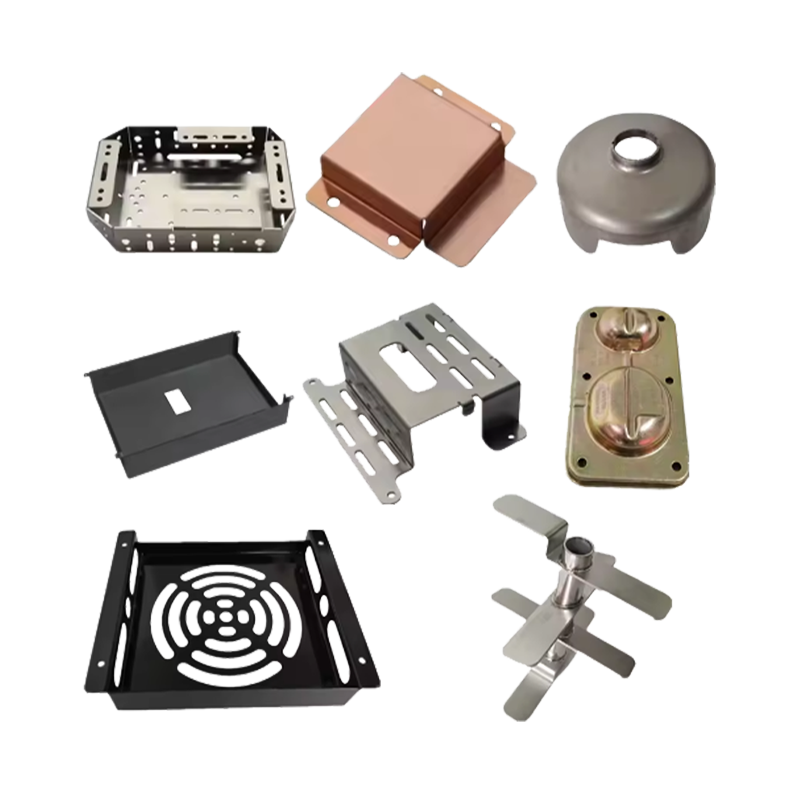
For caravan builders and aftermarket suppliers, the parts involved are simple fabrications: a welded frame that carries the bike cradles, two or three drawbar clamps and a set of mounting plates.
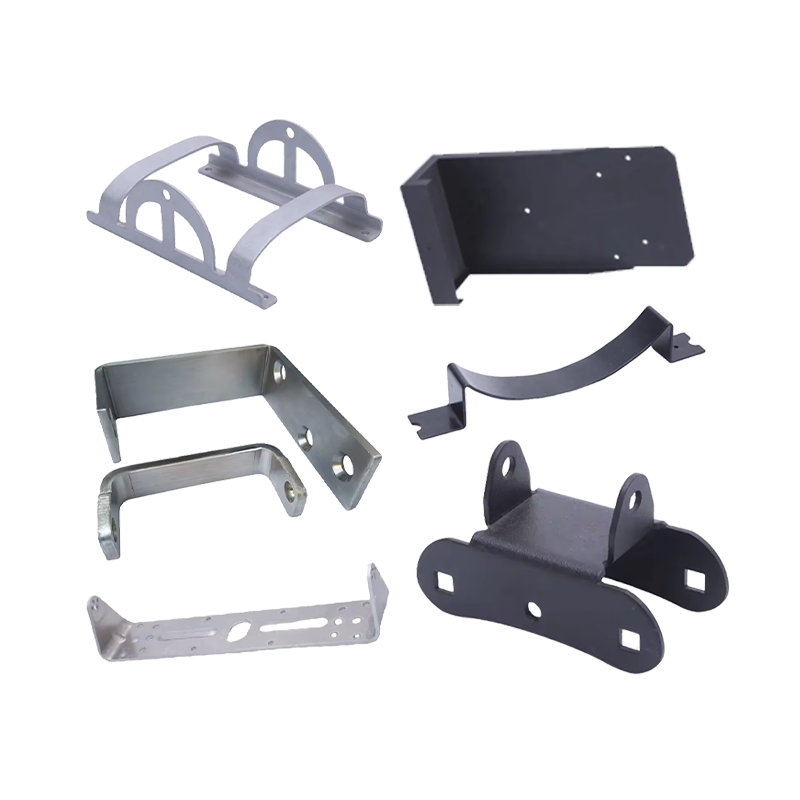
 Sheet Metal Powder Coated Steel Aluminum Bending Welding Frame PartsMaterial: carbon steel, stainless steel, aluminum, steel, iron, alloy, brass, titanium Dimension: As per design Surface treatment: chrome/nickel plated, powder coated,...View Product →
The frame itself is usually powder coated steel or aluminum, bent and welded from tube or folded strip, which keeps the carrier light enough to lift and stiff enough to hold two bikes steady at speed.
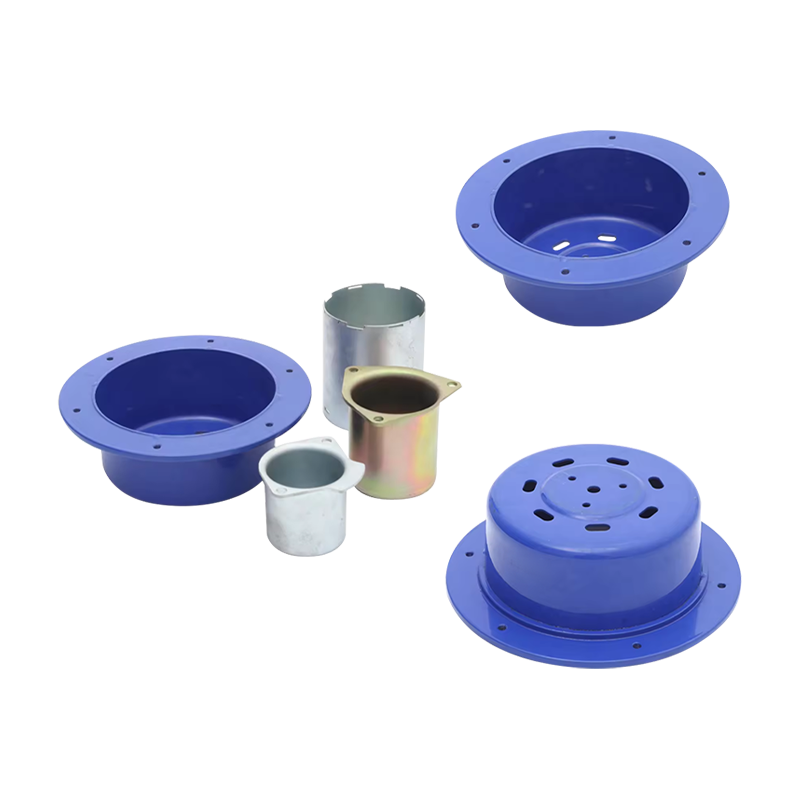
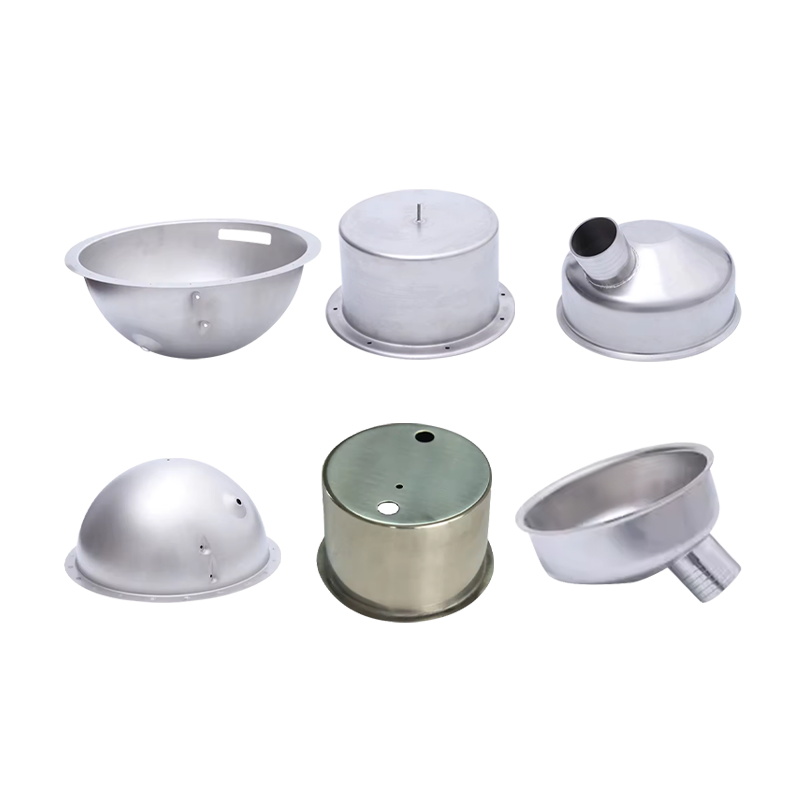
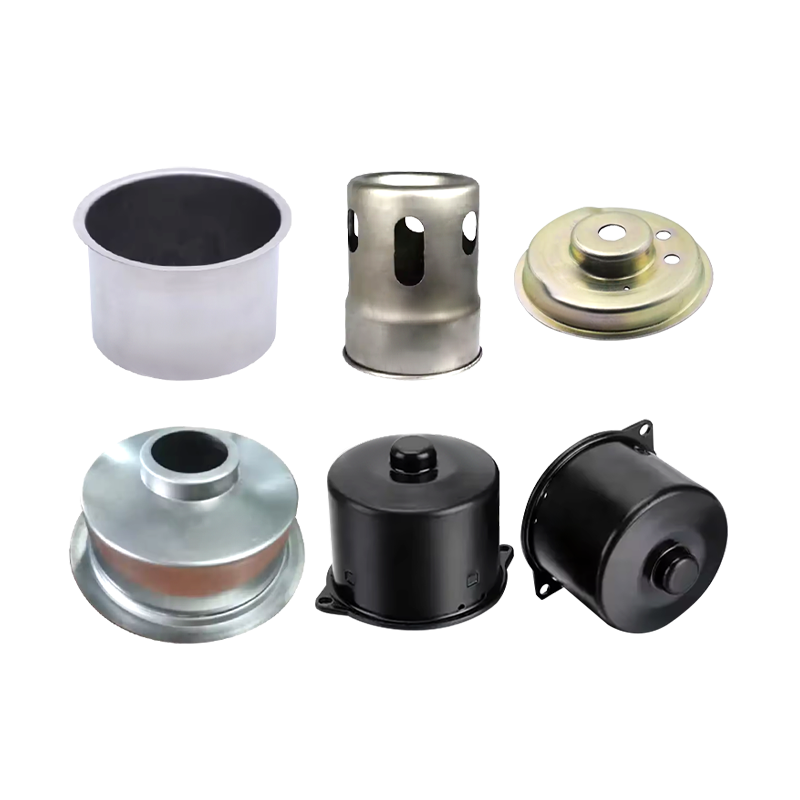
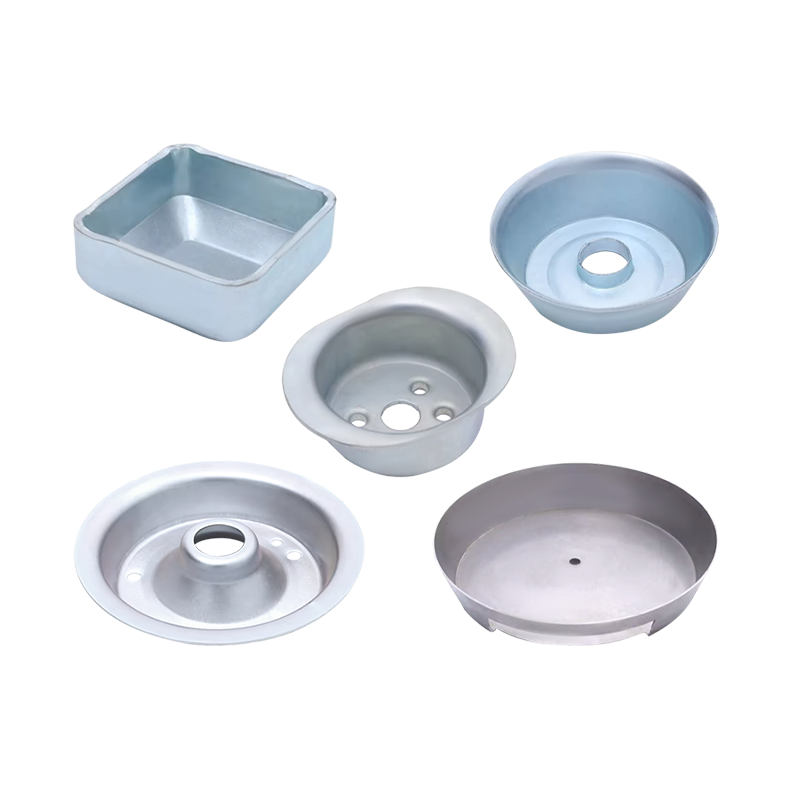
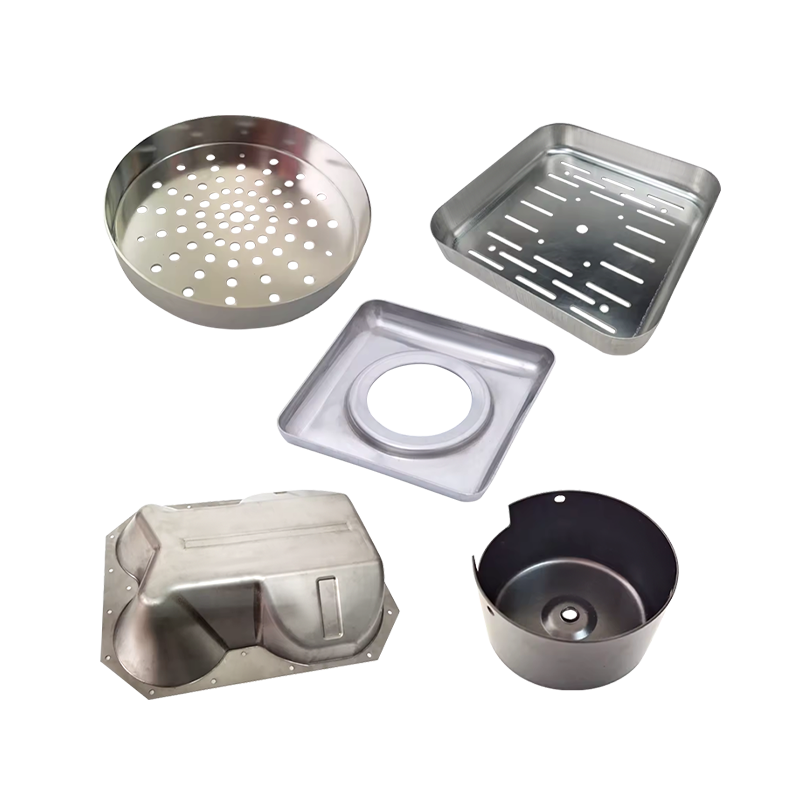
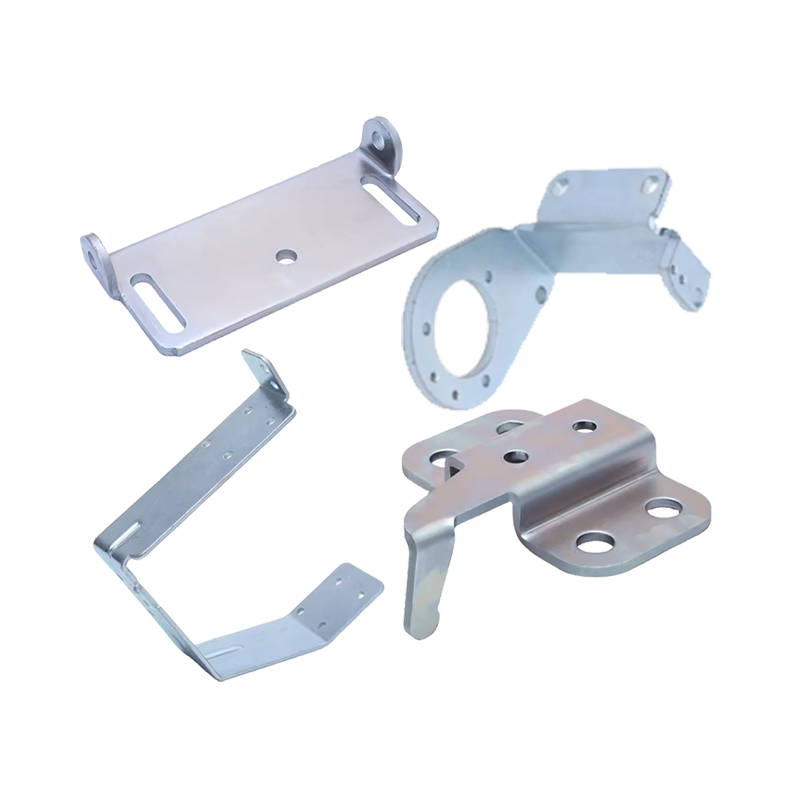
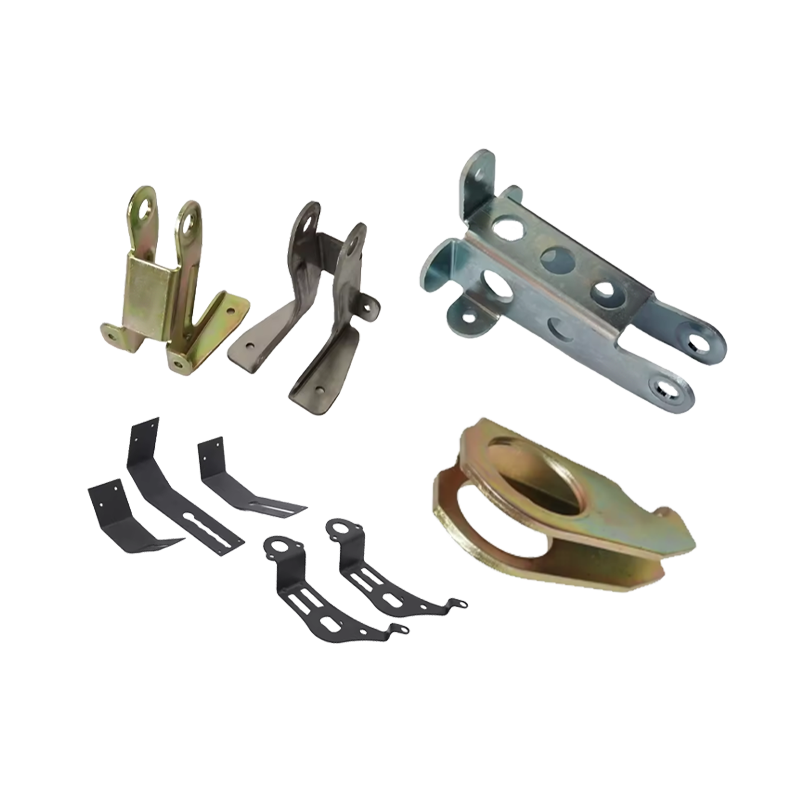
 Stamping Service Precision Sheet Metal Pipe Connection Bracket Metal Stamping PartsMaterial: Carbon steel, stainless steel, aluminum, steel, iron, alloy, brass, titanium Dimension: As per design Surface treatment: chrome/nickel plated, powder coated,...View Product →
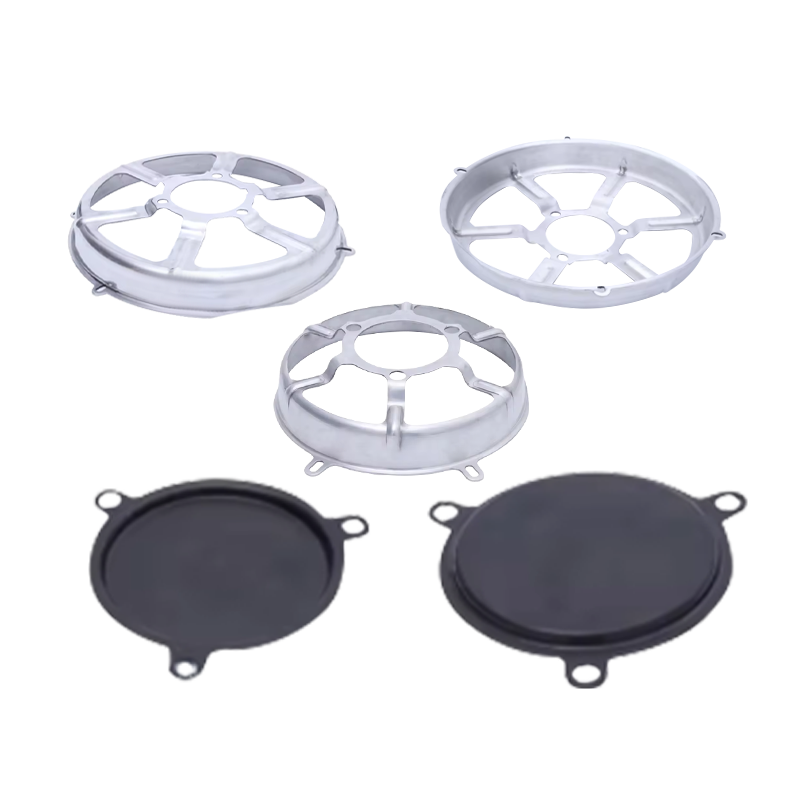
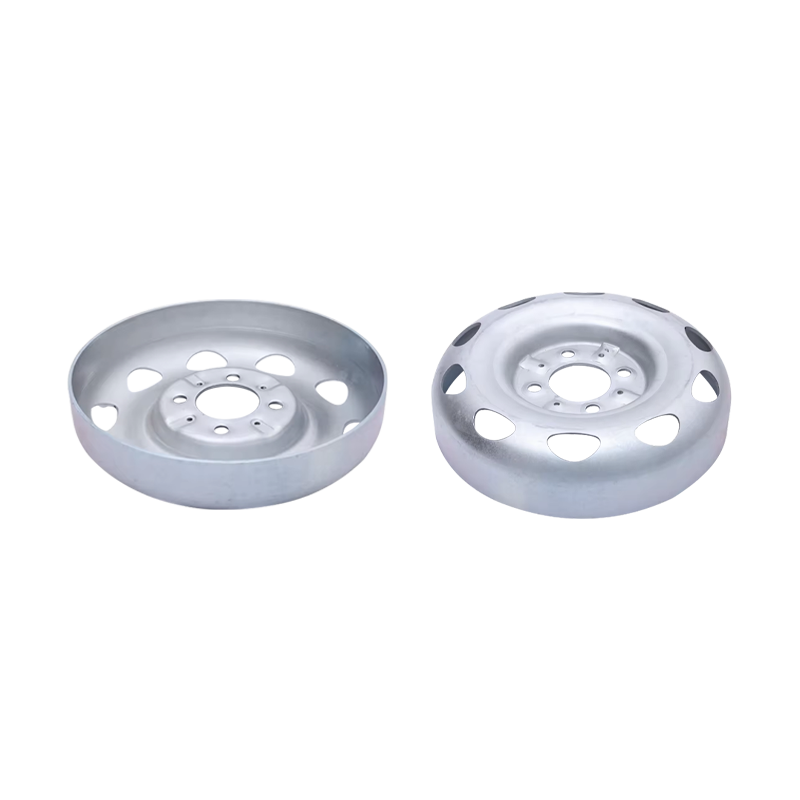
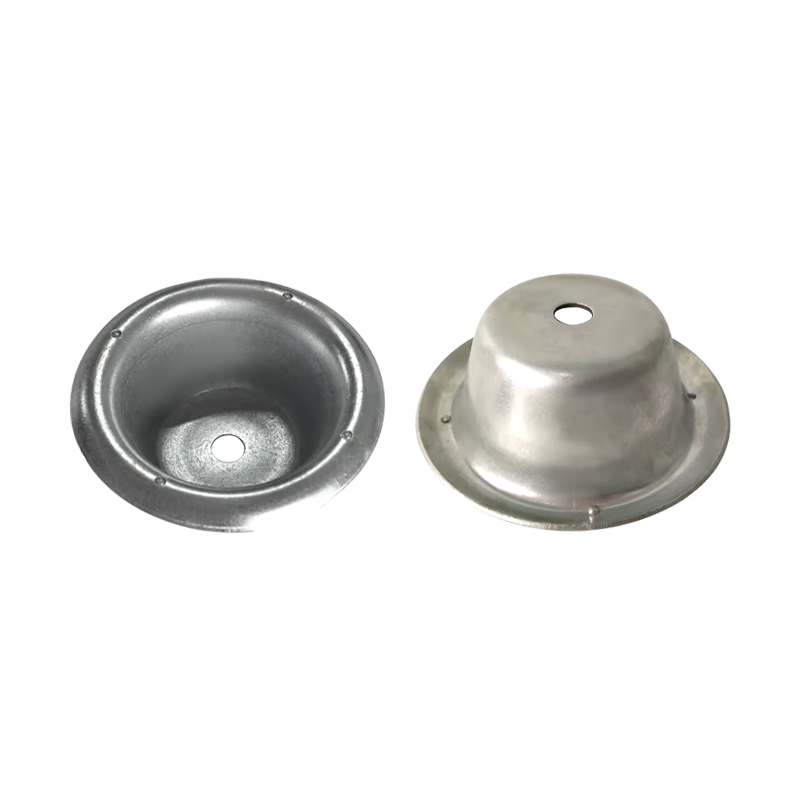
Clamps and brackets are the parts that fail first in service. A stamped bracket holds its shape better than a strip bent by hand, and a saddle formed to the drawbar profile spreads clamping force across the tube instead of crushing it at one point.
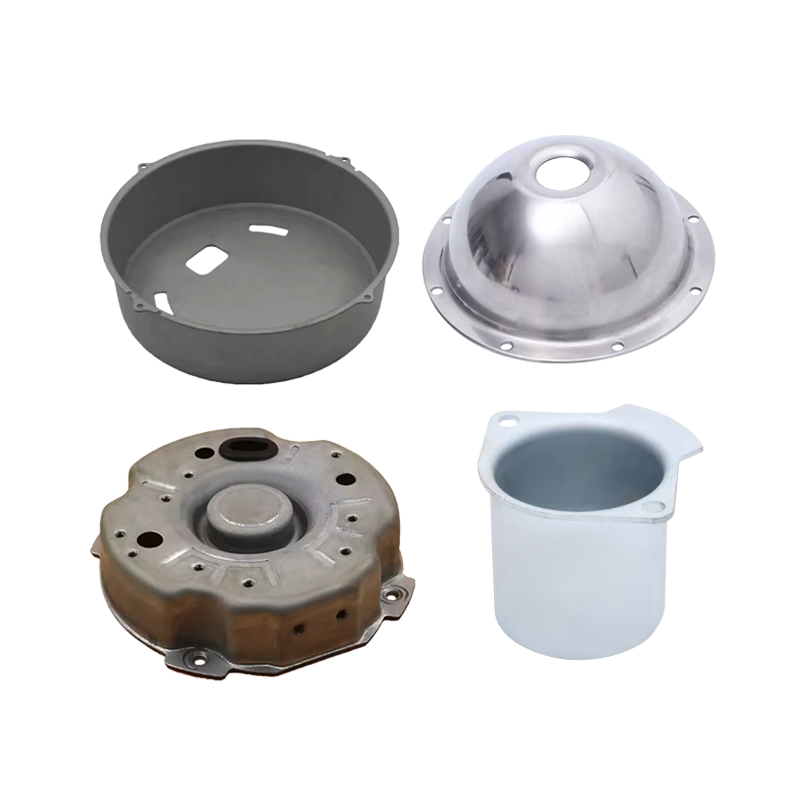
Ningbo Dasheng Metal Products produces custom metal components for caravan and industrial customers, including bent and welded sheet metal parts. The factory runs mechanical presses from 4T to 1000T, hydraulic presses to 1000T, stamping up to 1300 mm by 1000 mm with material thickness to 20 mm, and deep drawing to 450 mm in depth. Tooling is designed and built in house, production is certified to ISO9001:2015, and the plant covers roughly 10,000 square meters with an annual capacity around five million parts.
For rack projects that means one supplier for the whole chain: material selection, tooling, stamping, bending, welding, surface finishing and packing, all working from a drawing or a sample. A caravan maker can order a complete bracket set instead of assembling it from catalog parts that were never designed for the drawbar in front of them.
Decide the mounting position first, measure nose weight with the bikes in place, and treat brackets and welds as the parts that keep everything attached. Do that and a bike rack for a caravan becomes a piece of equipment you stop thinking about.
A Complete Campervan Sink Installation Kit Guide: Parts, Fit, and Leaks
RV Sink and Stove Combo: What to Check Before You Order from a Factory
ไม่ว่าคุณต้องการเป็นพันธมิตรของเราหรือต้องการคำแนะนำอย่างมืออาชีพหรือการสนับสนุนในการเลือกผลิตภัณฑ์และการแก้ปัญหา ผู้เชี่ยวชาญของเราพร้อมเสมอที่จะช่วยเหลือภายใน 12 ชั่วโมงทั่วโลก
ติดต่อเรา
Phone:+86 139-5824-9488
FAX :+86 574-86150176
E-mail: [email protected] [email protected]
Address: หน่วยที่ 2 อาคาร 19 สวน Zhichuangzhizao เขตอุตสาหกรรมเฉิงตง เซียงซาน หนิงโป 315705 เจ้อเจียง จีน
You open a campervan sink installation kit and see a stainless bowl, a faucet, a pump, clear tubing...
A two-bike carrier clamped to the A-frame of a caravan looks like a ten-minute job, and often it is...
A 200 W panel lying flat on a motorhome roof weighs almost nothing while the vehicle is parked. At ...
